What Is the January Zodiac Sign and How Do the Dates Work?
If you were born in January, your zodiac sign is either Capricorn (December 22 – January 19) or Aquarius (January 20 – February 18). Because the astrological calendar does not align perfectly with the standard Gregorian calendar, the month of January is split into two distinct astrological energies: the disciplined, earth-bound Sea-Goat and the innovative, air-bound Water-Bearer.
January is globally recognized as the month of new beginnings, resolutions, and fresh starts. However, in the realm of astrology, the "January vibe" is actually a tale of two very different personalities. Understanding your January zodiac sign requires looking beyond just the month and examining the exact day—and sometimes the exact minute—you were born.
For individuals seeking to understand their astrological identity, the transition from Capricorn to Aquarius represents a fascinating shift from building traditional structures to challenging them. According to Britannica's historical overview of the zodiac, Western astrology relies on fixed "tropical" dates that divide the year into 30-degree segments, which is why the signs change roughly two-thirds of the way through every month.
Which Zodiac Sign Are You if You Were Born in January?
Determining your sign is straightforward for most of the month, but it requires a bit more attention if your birthday falls near the transition period. Here is the standard breakdown of the January zodiac dates:
- January 1 to January 19: You are a Capricorn (The Sea-Goat).
- January 20 to January 31: You are an Aquarius (The Water-Bearer).
While these dates apply to the vast majority of years, the transition date—January 20—is widely considered a "cusp" day. Because the Earth's orbit around the Sun takes approximately 365.25 days, the exact moment the Sun moves from Capricorn into Aquarius shifts slightly each year. We will explore how to troubleshoot this specific birthday later in the article.
| Date Range | Zodiac Sign | Element | Ruling Planet |
|---|---|---|---|
| Jan 1 – Jan 19 | Capricorn ♑ | Earth | Saturn |
| Jan 20 – Jan 31 | Aquarius ♒ | Air | Uranus (Modern) / Saturn (Traditional) |
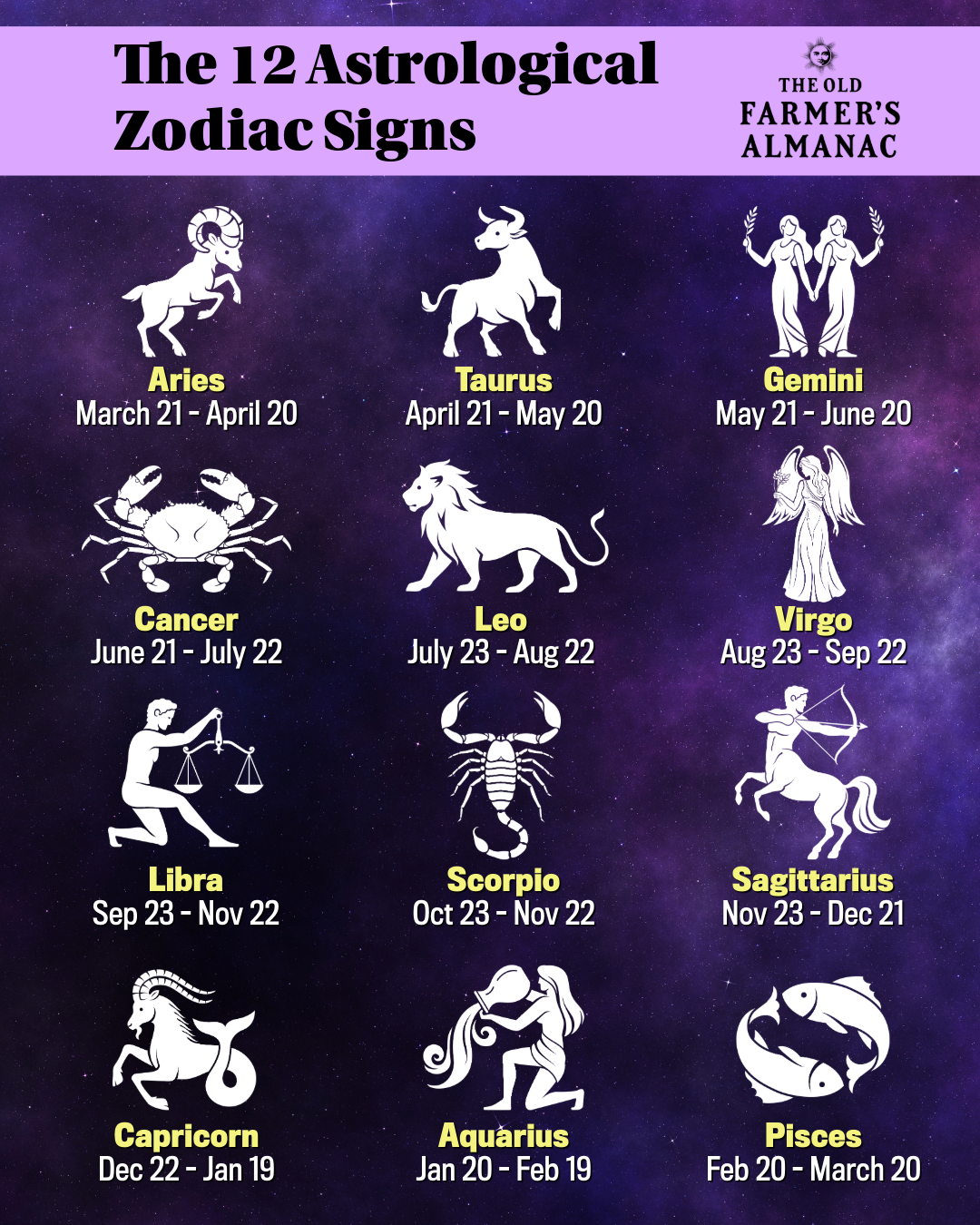
Image source: Farmer's Almanac
Understanding the Disciplined Nature of a January Capricorn
Individuals born between January 1 and January 19 fall under the sign of Capricorn. As an Earth sign with a Cardinal modality, Capricorn is the initiator of the winter season. In astrological terms, Cardinal signs are the self-starters of the zodiac—they generate action and push forward with purpose. Combined with the grounded, practical nature of the Earth element, January Capricorns are often characterized by their remarkable focus and resilience.
Key Personality Traits of the Sea-Goat
The symbol of Capricorn is the mythological Sea-Goat, a creature with the upper body of a mountain goat and the lower body of a fish. This duality perfectly encapsulates the Capricorn personality. The goat half represents their ambition, sure-footedness, and ability to climb to the highest peaks of success. The fish half represents their deep, often hidden emotional reserves and intuition.
According to astrological profiles from ZodiacSign.com, Capricorns are frequently described as the "Boss Babies" of the zodiac. They often display a serious, mature demeanor from a young age, carrying a sense of responsibility that sets a high standard for their peers. However, a lesser-known trait of the January Capricorn is their exceptionally strong, dry sense of humor. Once they feel secure in their environment, their stoic exterior gives way to sharp wit and deep loyalty.
Why Saturn Rules the Early January Vibe
Capricorn is ruled by Saturn, the planet associated with time, karma, structure, and discipline. In traditional astrology, Saturn is considered the strict teacher of the solar system. It demands hard work, patience, and accountability. This planetary influence explains why early January birthdays are so heavily focused on long-term goals rather than instant gratification.
Saturn's rings symbolize boundaries and limitations, teaching Capricorns that true freedom is earned through mastery and self-control. This makes them highly competitive in professional environments, where their ability to strategize and endure challenges often leads them to leadership positions.

Image source: Popular Vedic Science
Exploring the Innovative Spirit of a January Aquarius
If your birthday falls between January 20 and January 31, you are an Aquarius. This introduces one of the most common points of confusion in astrology: despite having "Aqua" in its name and being symbolized by the Water-Bearer, Aquarius is actually an Air sign. Furthermore, it operates under a Fixed modality, meaning it sustains the energy of the winter season through deep conviction and intellectual stubbornness.
What Makes the Water-Bearer an Air Sign?
To understand Aquarius, you must look at what the Water-Bearer is actually doing. The mythological figure is not swimming in the water; rather, they are holding a vessel and pouring water out onto the earth. In astrological symbolism, this water represents knowledge, truth, and life-giving ideas. As an Air sign, Aquarius is focused on intellect, communication, and social concepts.
As noted in Allure's comprehensive guide to the zodiac, Air signs are the thinkers and communicators of the astrological wheel. January Aquarians pour their visionary ideas out for the collective benefit of humanity. They are deeply concerned with social progress, community dynamics, and challenging the status quo.
How Uranus Influences Late January Birthdays
While traditional astrology assigned Saturn as the ruler of Aquarius (which explains their shared January connection with Capricorn), modern astrology assigns Uranus as the primary ruler of the Water-Bearer. Uranus is the planet of sudden insights, rebellion, technology, and paradigm-shifting innovation.
This planetary influence makes late January babies notably innovative. They are often described as eccentric, forward-thinking, and fiercely independent. Unlike Capricorns, who respect tradition and hierarchy, Aquarians are driven to dismantle outdated systems to build a more equitable future. They are highly analytical and often approach emotional situations with a detached, logical perspective.
Why January 20 Is the Most Confusing Birthday of the Year
For individuals born on January 20, reading a daily horoscope can be a frustrating experience. One website might confidently declare them a Capricorn, while a magazine might list them as an Aquarius. This confusion stems from the astronomical reality of how the Sun moves through the zodiac.
The transition between signs is not tied to the stroke of midnight on a specific calendar day. Instead, it is based on the exact moment the Sun crosses the 30-degree threshold into the next constellation segment. Because of leap years and the slight variations in the Earth's orbit, the Sun might enter Aquarius at 10:00 AM one year, and at 11:30 PM the next.
How to Find Your True Sign if You Were Born on the Cusp
If you were born on January 20 (or late on January 19), you are technically a "cusp" baby. However, in standard Western astrology, you still only have one Sun sign. To resolve the January 20 identity crisis, follow these steps:
- Locate your exact birth time: Check your birth certificate for the precise hour and minute you were born.
- Note your birth location: The city and time zone of your birth are required to calculate the exact planetary alignments.
- Use a natal chart calculator: Input this data into a reputable astrological calculator (such as Astro.com or Astro-seek). The software will calculate the exact degree of the Sun at your moment of birth, definitively placing you in either Capricorn or Aquarius.
Many individuals born on this transition day report feeling a blend of both signs—a phenomenon the astrological community often refers to as the "Capri-quarius" personality. They may possess the relentless work ethic of a Capricorn combined with the eccentric, humanitarian vision of an Aquarius.

Image source: Pinterest
Capricorn vs. Aquarius — How January Personalities Differ
Looking at January as a whole, the month represents a fascinating evolutionary step in the zodiac. Capricorn builds the civilization, establishing the rules, economies, and structures required for survival. Aquarius then steps in to ask, "How can we make this civilization better, fairer, and more advanced?"
The Shared "Ghost Mode" Trait of January Signs
Despite their differences in element (Earth vs. Air), both January signs share a distinct behavioral pattern widely recognized in astrological communities: the tendency to go into "Ghost Mode." Both Capricorns and Aquarians are highly capable of emotional detachment, allowing them to step back from social situations or relationships when they feel overwhelmed.
However, their motivations for this behavior differ entirely:
- Capricorn's Ghost Mode: Triggered by a need for efficiency and self-protection. If a Capricorn feels a situation is draining their resources or distracting them from their goals, they will quietly build a wall and redirect their focus to their work.
- Aquarius's Ghost Mode: Triggered by a threat to their independence. If an Aquarius feels emotionally smothered or restricted by social expectations, they will detach intellectually and disappear to reclaim their personal space and freedom.
| Trait | Early January (Capricorn) | Late January (Aquarius) |
|---|---|---|
| Work Ethic | Methodical, traditional, goal-oriented | Unconventional, collaborative, visionary |
| Social Style | Prefers small, loyal inner circles | Thrives in large, diverse networks |
| Emotional Processing | Private, stoic, practical | Analytical, detached, objective |
| Core Fear | Failure and public embarrassment | Loss of freedom and conformity |
What Does Science and Folklore Say About January Babies?
Beyond the astrological wheel, being born in the first month of the year carries its own set of statistical and psychological realities. The "January vibe" is influenced just as much by calendar placement as it is by planetary alignment.
Why January Birthdays Are the Rarest in the World
If you are a January baby, you belong to an exclusive club. According to birth data analyzed by The Bump, January is statistically the least common birth month in the United States. Furthermore, January 1 ranks as the second rarest birthday of the entire year (surpassed only by the leap year date of February 29).
The most popular birthday within the month is January 24, which falls firmly in Aquarius territory, while the early Capricorn days see significantly lower birth rates.
The Psychology of Being a "New Year" Baby
Psychological studies regarding the "Relative Age Effect" suggest that children born in January often experience unique advantages in academic and athletic environments. Because school cutoff dates frequently fall late in the year, January babies are often the oldest, most physically developed, and most emotionally mature students in their grade cohort.
This early advantage can foster strong leadership qualities and high self-esteem, traits that align perfectly with the ambitious nature of Capricorn and the confident individuality of Aquarius.
January Birthstones, Flowers, and Cultural Symbols
The identity of a January zodiac sign is further enriched by the month's traditional symbols, which have been celebrated across various cultures for centuries.
The deep red Garnet is the official birthstone for all of January. Historically worn by royalty and warriors, the garnet symbolizes health, wealth, and protection. It is believed to keep the wearer safe during travel and to foster deep, enduring friendships—a perfect match for the loyal nature of both January signs.
January claims two birth flowers: the Carnation and the Snowdrop. The carnation represents deep love, fascination, and distinction. The snowdrop, which pushes through the frozen winter earth to bloom, is a powerful symbol of hope, rebirth, and resilience in the face of adversity.
Makar Sankranti and the Global History of January Astrology
While Western (tropical) astrology focuses on the dates outlined above, it is important to note that astrological traditions vary globally. In Vedic (sidereal) astrology, which is widely practiced in India, the dates shift due to the precession of the equinoxes.
One of the most significant astrological events in January is the Hindu festival of Makar Sankranti, typically celebrated between January 13 and January 15. This festival marks the transition of the Sun into Makara (the Vedic equivalent of Capricorn). It is a celebration of the end of the winter solstice and the start of longer, warmer days, highlighting the global recognition of January as a time of profound cosmic transition.
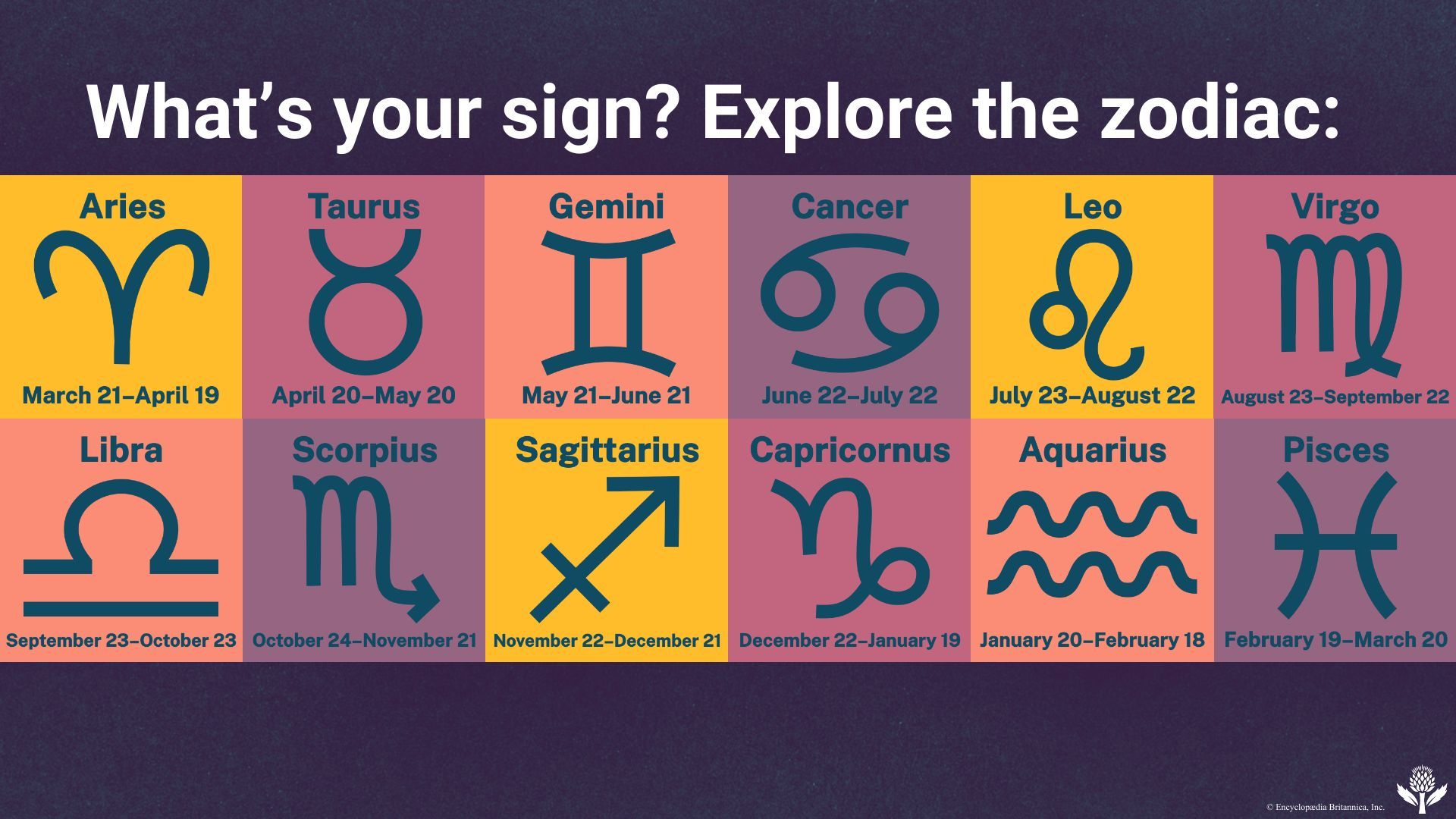
Image source: Britannica
Frequently Asked Questions
- Is January 20 a Capricorn or Aquarius?
- January 20 is a transition day, meaning it can be either sign depending on the year and the exact time of birth. Because the Sun does not change signs at midnight, individuals born on this day must use a natal chart calculator with their specific birth time and location to determine their true Sun sign.
- What is the general personality of a person born in January?
- January-born individuals are typically characterized by a strong sense of independence and resilience. Early January babies (Capricorns) tend to be highly disciplined, ambitious, and practical. Late January babies (Aquarians) are generally more innovative, intellectual, and focused on social progress. Both share a tendency to be highly self-reliant.
- Why is Aquarius an Air sign if it has "Aqua" in the name?
- The prefix "Aqua" and the symbol of the Water-Bearer often lead people to mistakenly believe Aquarius is a Water sign. However, in astrology, the water being poured from the bearer's vessel represents knowledge and ideas being shared with humanity. Because Aquarius is focused on intellect, communication, and social concepts, it is classified as an Air sign.
- Who is a January Capricorn most compatible with?
- Capricorns generally find strong compatibility with fellow Earth signs (Taurus and Virgo), who share their practical and grounded approach to life. They also pair well with Water signs (Scorpio and Pisces), who can help draw out the Sea-Goat's hidden emotional depth and provide a nurturing balance to their intense work ethic.
- Are January babies statistically rare?
- Yes. Based on decades of birth data in the United States, January consistently ranks as the month with the lowest number of births. Furthermore, January 1 is the second least common birthday of the entire year, making early January babies statistically quite rare.
- What are the official January birthstones and flowers?
- The official birthstone for January is the Garnet, a deep red gemstone symbolizing protection and vitality. The month has two official birth flowers: the Carnation (symbolizing love and distinction) and the Snowdrop (symbolizing hope and rebirth during the harsh winter).
Final Thoughts on January Zodiac Signs
Whether you resonate with the grounded ambition of the Sea-Goat or the visionary intellect of the Water-Bearer, being born in January places you at the starting line of the calendar year. Here is a summary of the most important points to remember about January astrology:
- The Date Split: Birthdays from January 1 to January 19 fall under Capricorn, while birthdays from January 20 to January 31 fall under Aquarius.
- The Cusp Reality: If you were born on January 20, you must check your exact birth time to know your true sign, as the Sun's transition varies annually.
- Elemental Differences: January bridges two entirely different elements—the practical, foundational Earth (Capricorn) and the intellectual, communicative Air (Aquarius).
- The January Evolution: The month represents a shift from building traditional systems (Saturn's influence) to innovating for the future (Uranus's influence).
- Statistical Rarity: January is the least common birth month, making January babies a statistically rare demographic.
- Shared Independence: Both signs value their autonomy highly and possess a "Ghost Mode" trait, allowing them to detach when overwhelmed.