How to Use Facade Tarot for Free Online Divination and Numerology
Facade Tarot is a free, automated online divination platform that has operated continuously since 1993. It offers text-based readings for Tarot, Runes, I Ching, and Numerology. Users can select from various decks (like the Rider-Waite or Aquatic Tarot), perform Yes/No queries, and explore complex celebrity numerology profiles using the site's unique alphanumeric logic.
In an era where digital spirituality is often dominated by subscription-based apps and social media influencers, finding a reliable, unbiased tool can be challenging. Facade Tarot stands out as a top-tier option for those seeking straightforward, automated divination. Operating continuously since the early days of the internet, this platform provides a wealth of esoteric tools without paywalls or modern distractions.
Whether you are looking to pull a single card for daily guidance, consult the ancient wisdom of the I Ching, or decode the numerological significance of a specific name, understanding how to navigate this legacy platform is essential. This article explores the mechanics behind Facade's automated readings, explains its unique numerology logic, and provides advanced techniques for interpreting its text-heavy results.
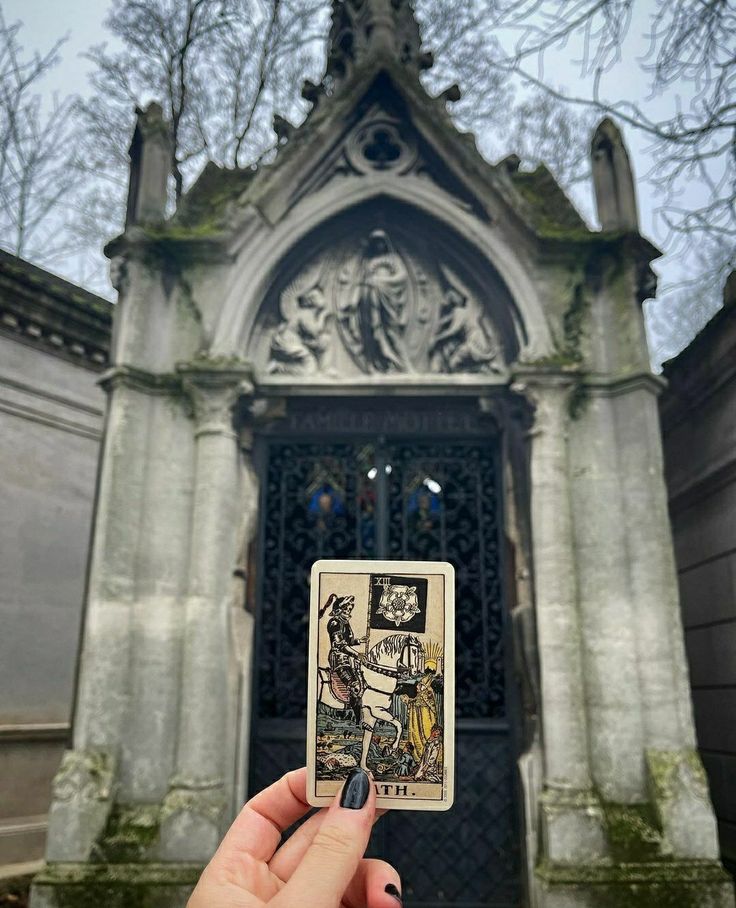
Image source: Pinterest
Why Facade Remains a Trusted Name in Digital Tarot Since 1993
To understand the appeal of Facade, one must look at its origins. Launched in 1993—predating the widespread use of the Netscape browser—Facade is widely regarded as the internet's first comprehensive site for spiritual introspection. According to the official Facade homepage, the platform was built on a philosophy of providing an "unbiased approach to divination."
Unlike modern applications that rely heavily on gamification, push notifications, and microtransactions, Facade maintains a strict "Web 1.0" aesthetic. This legacy design is often viewed by its dedicated user base as a feature rather than a flaw. The minimalist, text-heavy interface removes the commercial pressure often associated with modern spiritual services, allowing users to focus entirely on the archetypal meanings of the cards.
The platform also grounds its tools in historical context. As noted in their Tarot introduction, the site acknowledges Tarot's origins over 500 years ago in Northern Italy, where it began as a card game known as "Triumphs." It further details how the system evolved into a divination tool, heavily influenced by organizations like the Hermetic Order of the Golden Dawn, which integrated elements of Kabbalah and Western astrology into the card meanings.
By maintaining this academic and historical tone, Facade sets a high standard for digital divination, offering a deeply rooted experience that few contemporary alternatives compare to in terms of longevity and consistency.
How to Get the Most Accurate Free Reading on Facade
Navigating Facade requires an understanding of its dropdown-based interface. Because the system is entirely automated, the accuracy and relevance of your reading depend heavily on how you set up the query and which tools you select.
Step-by-Step Walkthrough
When you visit the main Tarot section, you are presented with several choices before generating a reading. You must select a deck, a spread (the layout of the cards), and input your specific question or focus. The system then uses a randomized algorithm to draw the cards and generates a comprehensive text page detailing the traditional meanings of each position.
Choosing the Right Deck for Your Energy
Facade hosts a variety of decks, each with its own visual language and thematic focus. Selecting the appropriate deck can significantly influence the tone of the automated text you receive:
- The Rider-Waite Tarot: Highly recommended for beginners. Its imagery is the standard upon which most modern tarot is based, making the automated interpretations easy to cross-reference with external study materials.
- The Aquatic Tarot: A popular choice for emotional, intuitive, or relationship-based queries. The water-themed imagery aligns well with questions concerning the subconscious.
- The Golden Tarot: Often selected for questions regarding career, finance, and material stability due to its rich, Renaissance-inspired aesthetic and structured symbolism.
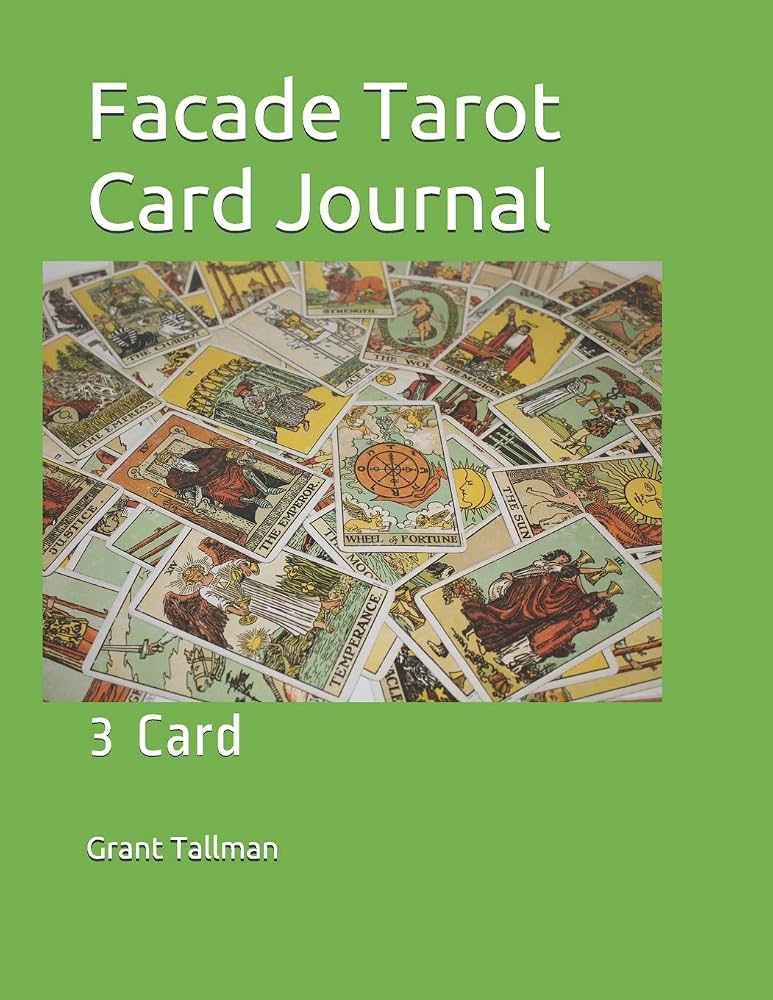
Image source: Amazon.com
Using the Yes or No Feature
One of the most frequently utilized tools on the platform is the automated Yes/No reading. Instead of providing a lengthy psychological breakdown, this tool offers a direct answer based on the elemental dignity and polarity of the drawn cards. To get the most useful results, frame your questions as clear, binary choices (e.g., "Will this career move be beneficial?" rather than "What should I do about my career?").
Understanding the Complex Numerology Logic in Facade Personal Profiles
Beyond card reading, Facade is highly celebrated for its intricate Numerology engine, particularly the "Celebrity Profiles" feature. While many sites offer basic numerology, Facade employs a highly specific alphanumeric logic that provides a deeper layer of Information Gain for users willing to study its mechanics.
According to the Facade Personal Profile documentation, the site calculates "Birth Paths" and "Public/Private Personas" using a standard Pythagorean system where A=1, B=2, C=3, up to Z=26, which is then reduced to single digits or master numbers.
The "One Number Less" Rule
A common point of confusion for new users is how Facade assigns a Tarot card to a specific birthdate. If your calculated Birth Path number is 5, you might expect to be assigned the 5th card of the Major Arcana (The Hierophant). However, Facade will assign you card number 4 (The Emperor). This occurs because Facade strictly adheres to the traditional numbering of the Major Arcana where The Fool is designated as 0. Therefore, the card assigned is always one number less than the calculated path.
Decoding Relationship Categories
When analyzing names or comparing two individuals, Facade categorizes numeric relationships into specific logical frameworks. Understanding these categories allows users to interpret the backend logic of the site:
- Identity Matches
- This occurs when two different words share the exact same numeric total. For example, the words "Death" and "Change" both calculate to 38. The system flags this as an Identity Match, suggesting a thematic link between the concepts.
- Product/Component Logic
- This happens when the numeric value of one word fits entirely inside the value of another. For instance, if the word "Sex" totals 48, and the name "Sharon Stone" totals 148, the system identifies the smaller value as a "component" of the larger entity.
- Mirror Values
- The algorithm looks for digit reflections. If one name totals 57 and another totals 75, Facade highlights this as a Mirror relationship, indicating complementary or opposing energies.
- Cause and Effect
- This involves primary versus secondary numeric values, where adding the individual digits of one word matches the total sum of another, creating a sequential link.
How to Use Stichomancy and Other Rare Divination Tools on Facade
While Tarot is the primary draw, Facade offers several rare divination methods that are difficult to find on modern platforms. These tools provide alternative ways to seek guidance when card imagery feels too complex or ambiguous.
| Divination Tool | Best Used For | Historical Origin | Facade's Implementation |
|---|---|---|---|
| Stichomancy | Random, poetic inspiration | Ancient Greece / Rome | Automated selection of a random line from a vast database of public domain literature. |
| I Ching | Understanding cycles of change | Ancient China (2,500+ years old) | Generates hexagrams with changing lines, providing traditional philosophical text. |
| Runes | Direct, primal guidance | Northern Europe | Calculates specific Rune matches based on the numeric value of a user's birth name. |
| Biorhythms | Tracking physical/mental cycles | 19th Century Pseudoscience | Charts physical, emotional, and intellectual sine waves based on birthdate. |
The Practice of Stichomancy and Bibliomancy
Stichomancy is the practice of opening a book at random and selecting a line to answer a question. Historically, this was often done with religious texts (known specifically as Bibliomancy) or the works of Homer and Virgil. Facade digitizes this experience by utilizing a massive database of classic literature. When a user submits a query, the algorithm acts as the "random page turn," presenting a single, often cryptic line of text. This method requires the user to rely heavily on personal intuition to connect the poetic fragment to their current situation.
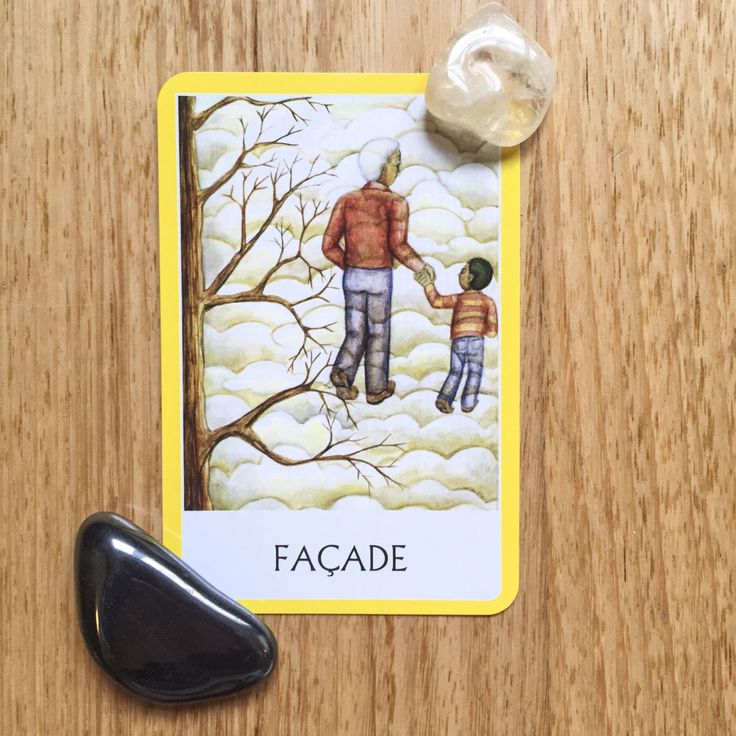
Image source: Pinterest
Advanced Techniques for Interpreting Automated Tarot Results
A common challenge with automated platforms is "blanking"—the experience of receiving a block of computer-generated text that seems entirely disconnected from the question asked. Because you cannot physically shuffle the cards, you must adapt your interpretation strategies. Drawing on advanced tarot reading techniques, users can apply specific frameworks to Facade's output.
The "Card Underneath" Strategy
In physical readings, readers often check the bottom card of the deck to understand the underlying energy or hidden foundation of a situation. While Facade does not explicitly offer a "bottom of the deck" feature, you can simulate this by performing a separate, single-card draw immediately after your main spread, asking specifically for the "shadow" or "foundation" of the previous reading.
Literal vs. Symbolic Interpretation
Automated text is inherently rigid. If Facade's text mentions "a dark-haired individual" or "a journey across water," modern readers often struggle with whether to take this literally. A strong practice is to read the text symbolically first. "Water" typically represents emotion, so a journey across water may indicate navigating a difficult emotional transition rather than booking a cruise.
Treat automated text as a mirror for introspection, not a literal command. The value of the reading lies in which specific sentences your mind naturally gravitates toward.
The Advice vs. Outcome Framework
When reading Facade's generated paragraphs, actively separate the text into two categories: Advice (what you should do) and Outcome (what is likely to happen). Automated systems often blend these together. By manually highlighting or noting which sentences are actionable versus predictive, you can extract a highly practical roadmap from otherwise dense paragraphs.
How to Fix Common Usability Issues and Use Facade on Mobile
Because Facade was built in an era before smartphones, its architecture is not natively responsive. This can lead to usability issues for modern users accessing the site via mobile devices.
Mobile Display Workaround: If the text overlaps or the dropdown menus fail to load on your smartphone, open your browser settings (usually three dots in Chrome or the 'aA' icon in Safari) and select "Request Desktop Site." This forces the browser to render the 1993-style tables correctly, making the site fully functional on smaller screens.
Domain Confusion and Scammer Alerts
In recent years, confusion has arisen regarding the official Facade presence. Users should be aware of the distinction between the official legacy site and various social media accounts using the name.
The official, original platform is located at facade.com. However, there are forks and community discussions referencing domains like facadetarot.org (sometimes associated with "The Ether"). Furthermore, there are Instagram accounts using the Facade name that promote concepts like "Gang Stalking" or "Siren energy," which deviate entirely from the academic, historical tone of the actual website.
It is crucial to note that the genuine Facade platform is entirely automated and free. The official site will never send direct messages on social media asking for payment to perform a reading. Always ensure you are navigating directly to the primary domain to avoid third-party scams.
Webmaster Tools
For those who run their own spiritual or personal blogs, Facade continues to offer a unique Webmaster feature. The site provides free HTML code snippets that allow external website owners to host Facade's automated readings directly on their own domains, a testament to the open-web philosophy of the early internet.
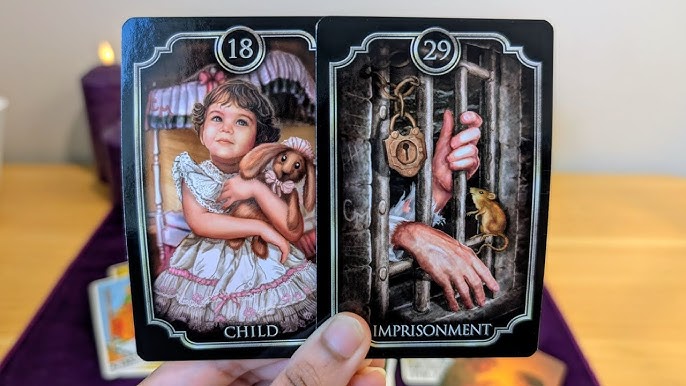
Image source: YouTube
Frequently Asked Questions
Is Facade Tarot actually free to use?
Which Facade deck is recommended for beginners?
How does the "Yes or No" tool work?
What is the difference between Facade and modern apps like Labyrinthos?
Is the Facade Instagram account official?
Why does my birth card not match my birth path number?
Summary of Best Practices for Facade Tarot Users
Facade remains a highly regarded resource for digital divination, offering a depth of historical and numerological logic that few modern platforms provide. By understanding its legacy architecture, you can extract highly accurate and meaningful guidance from its automated systems.
- Use the desktop view on mobile devices to ensure the 1993-era tables and dropdown menus render correctly.
- Select the Rider-Waite deck if you are a beginner looking to cross-reference results with standard study materials.
- Apply the "One Less" rule when calculating your personal Tarot birth card to account for The Fool being numbered zero.
- Frame Yes/No questions as strict binary choices to help the algorithm provide the clearest possible polarity reading.
- Explore Stichomancy when you need abstract, poetic inspiration rather than structured card layouts.
- Separate Advice from Outcome when reading the generated text to create a practical, actionable roadmap.